
 11
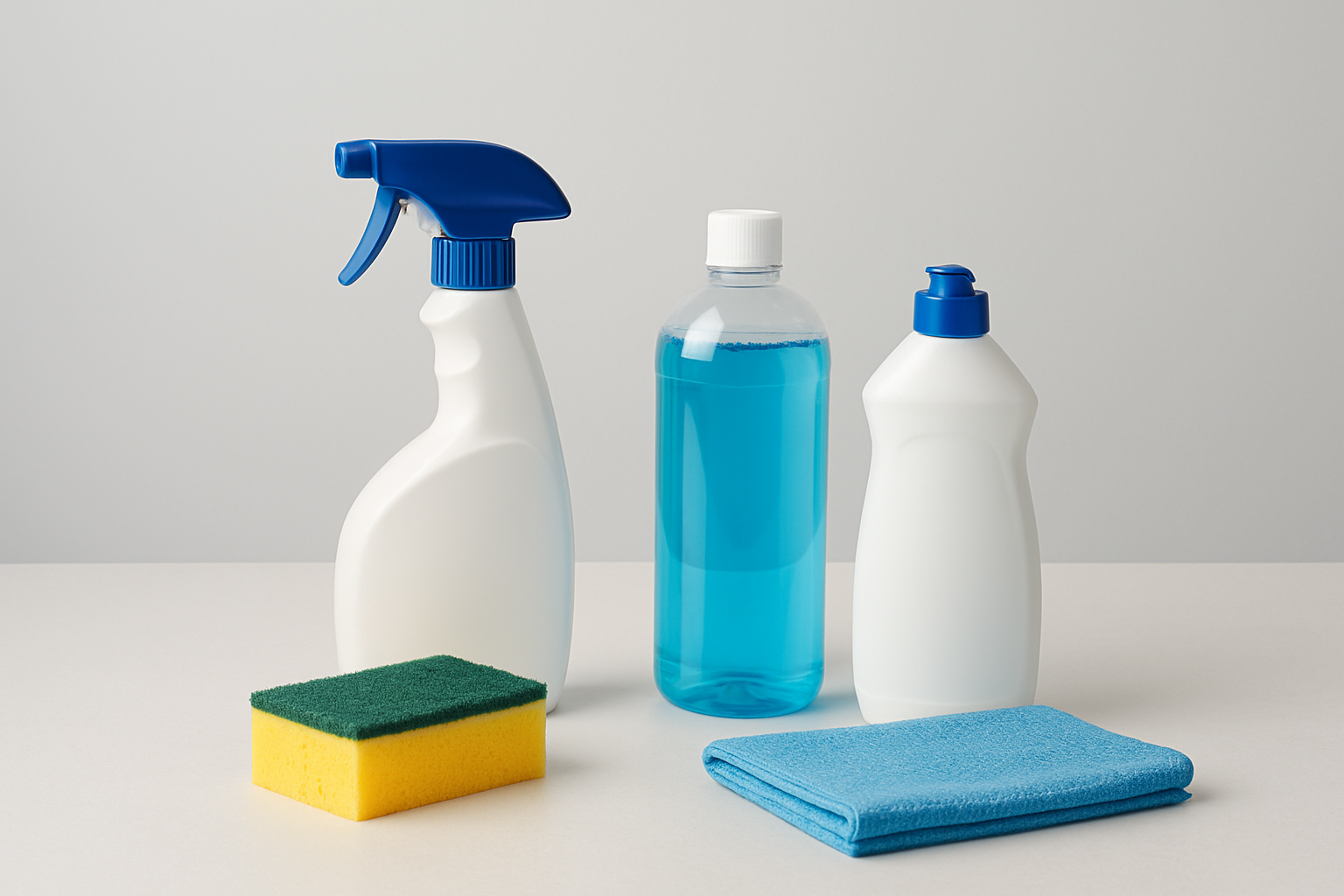
Maintaining a clean environment is an essential part of creating a comfortable, organized, and welcoming space. Whether it is a residential property, a commercial office, or a customer-facing business, cleanliness influences daily routines, workplace productivity, and the overall impression a space creates. Professional cleaning services offer a practical approach to maintaining consistent hygiene, managing everyday dirt, and keeping indoor environments presentable. As people increasingly prioritize convenience, time management, and healthier surroundings, professional cleaning has become an important consideration for households and businesses alike.
The Growing Importance of Clean and Organized Spaces
Cleanliness is more than an aesthetic preference. Regular cleaning helps control dust accumulation, remove visible dirt, and maintain frequently used surfaces. In offices, homes, educational facilities, and retail environments, these practices contribute to a more organized atmosphere and support everyday comfort.
Public health organizations have consistently emphasized the importance of appropriate cleaning practices, particularly for frequently touched surfaces and shared spaces. However, effective cleaning involves more than simply wiping visible areas. It requires suitable products, appropriate techniques, consistent schedules, and attention to spaces that are often overlooked.
For property owners and managers, establishing a reliable cleaning routine can also help preserve furniture, flooring, fixtures, and other interior materials. Removing dirt before it accumulates may reduce unnecessary wear and help maintain the property’s appearance over time.
Statistics and Trends Shaping the Cleaning Industry
Several measurable factors help explain why professional cleaning continues to attract attention from homeowners and businesses.
Indoor time and environmental comfort: People spend substantial portions of their daily lives indoors. Consequently, the condition of indoor environments can influence their comfort and satisfaction. Regular dust removal, appropriate ventilation, and routine surface cleaning are practical measures for maintaining more comfortable spaces.
Workplace productivity: Employees often value organized and well-maintained work environments. While cleanliness alone cannot guarantee improved productivity, clutter-free desks, clean shared facilities, and regularly maintained meeting rooms can support concentration and create a more professional atmosphere.
Preventive property maintenance: Dirt, spills, and neglected surfaces can contribute to stains, odors, and premature material deterioration. Consistent cleaning helps identify small maintenance concerns before they become more difficult or expensive to address.
Demand for convenience: Busy schedules make it challenging for some households and organizations to manage every cleaning task independently. Outsourcing selected responsibilities allows occupants to focus on work, family, customer service, and other priorities.
Greater attention to hygiene: Shared kitchens, restrooms, reception areas, and frequently touched objects require appropriate maintenance. Businesses increasingly recognize that consistent cleaning procedures are an important part of responsible facility management.
These trends demonstrate why cleaning should be viewed as an ongoing maintenance activity rather than an occasional response to visible mess.
Indoor cleanliness can contribute to a more comfortable environment when cleaning is performed correctly. Dust, food residue, moisture, and accumulated debris may affect the condition of indoor spaces. Regular maintenance helps manage these concerns and reduces the buildup of unwanted materials.
Professional cleaners typically follow structured procedures that may include dusting, vacuuming, mopping, sanitizing appropriate surfaces, and cleaning high-use areas. The exact process depends on the property’s layout, occupancy, surface materials, and specific requirements.
It is also important to distinguish between cleaning and disinfection. Cleaning removes dirt and impurities from surfaces, while disinfection uses suitable products to inactivate certain microorganisms. Disinfection is not necessary for every surface or situation, and products should always be used according to their labels.
For people with allergies or sensitivities, reducing dust and managing indoor moisture may be particularly useful. Nevertheless, cleaning alone cannot eliminate every indoor air quality concern. Adequate ventilation, prompt moisture control, and appropriate building maintenance remain important complementary measures.
A well-maintained home can make everyday activities more comfortable and manageable. However, household responsibilities often compete with professional commitments, family schedules, and personal time.
Residential cleaning commonly includes dusting furniture, vacuuming carpets, mopping hard floors, cleaning bathrooms, wiping kitchen surfaces, and removing accumulated debris. Depending on the arrangement, additional tasks may include cleaning interior glass, wiping baseboards, or addressing areas that receive less frequent attention.
Regular cleaning can also help homeowners identify problems such as leaking fixtures, persistent dampness, or unusual odors. These issues may require maintenance beyond ordinary cleaning, but noticing them early can support timely action.
The ideal cleaning schedule depends on household size, the presence of children or pets, activity levels, and individual preferences. High-use kitchens and bathrooms may require more frequent attention than guest rooms or other lightly used areas.
Businesses operate in environments where appearance, hygiene, and organization can influence both employee experience and customer perception. Clean reception areas, orderly meeting rooms, maintained restrooms, and tidy workstations help communicate professionalism.
Commercial cleaning plans should reflect the specific demands of each facility. An office may need routine floor care, desk-area cleaning, restroom maintenance, and waste removal. A retail environment may require additional attention to entrances, display areas, and customer contact points.
Facilities with specialized requirements may need trained personnel, documented procedures, approved cleaning products, or industry-specific protocols. For example, healthcare settings require cleaning practices appropriate to their clinical risks and applicable regulations.
A scheduled maintenance plan can help organizations establish clear responsibilities, reduce overlooked tasks, and maintain consistent standards across different areas of a building.
Selecting an appropriate cleaning arrangement begins with understanding the property’s actual needs. A large commercial facility may require frequent maintenance, while a smaller household may benefit from weekly or monthly assistance.
Before choosing a provider, consider the following factors:
A clean environment supports comfort, organization, and a professional appearance in both residential and commercial settings. Consistent maintenance can help manage dust and dirt, preserve interior materials, and make everyday spaces more pleasant to use. Statistics-informed planning, realistic schedules, appropriate products, and clearly defined expectations all contribute to better cleaning outcomes.